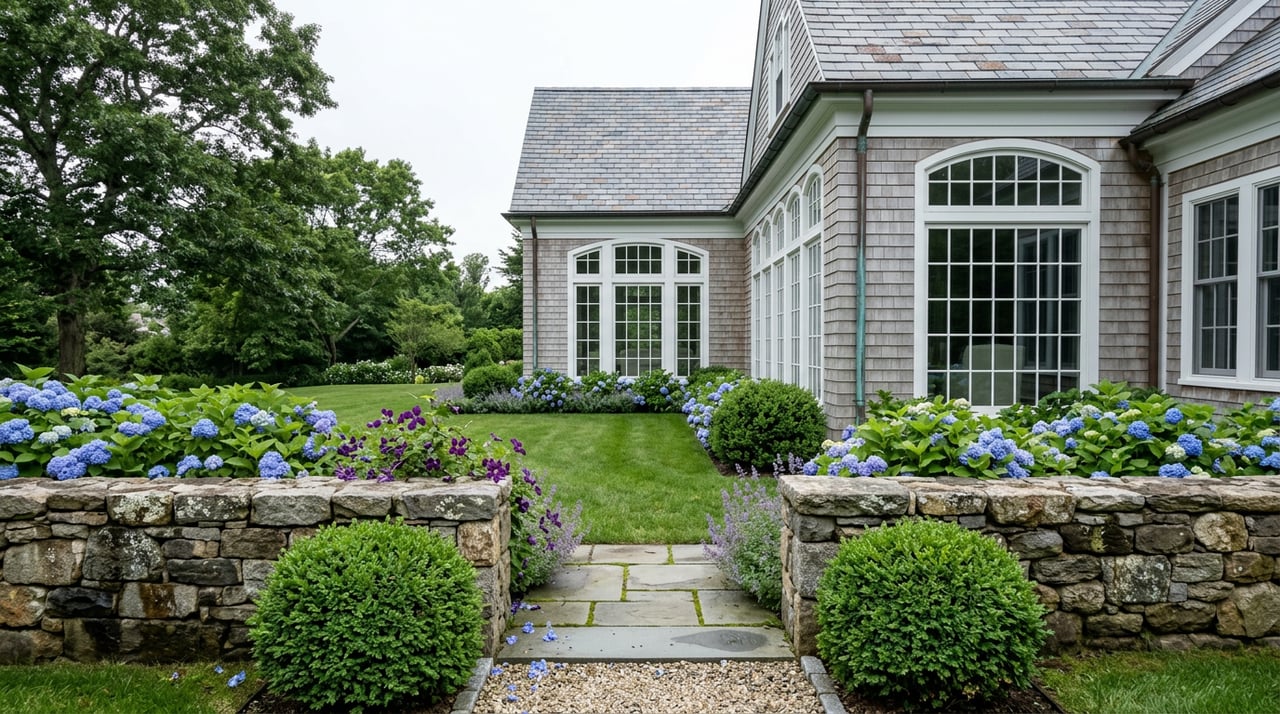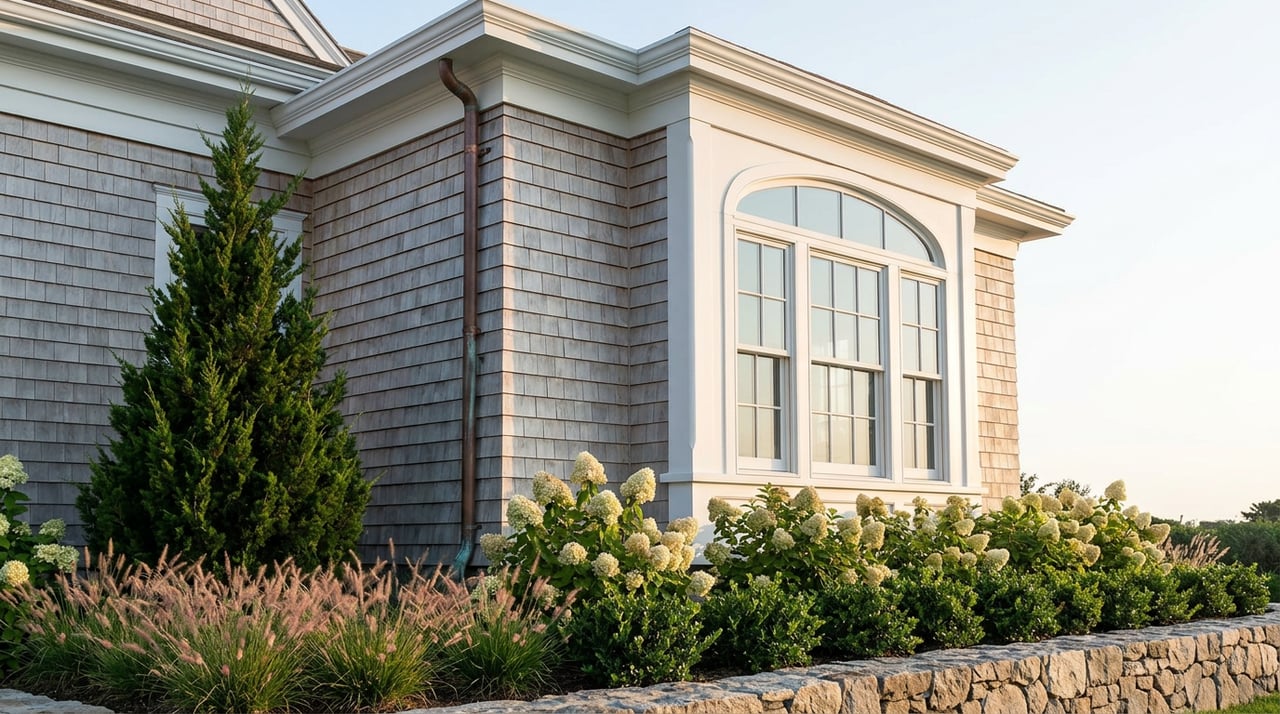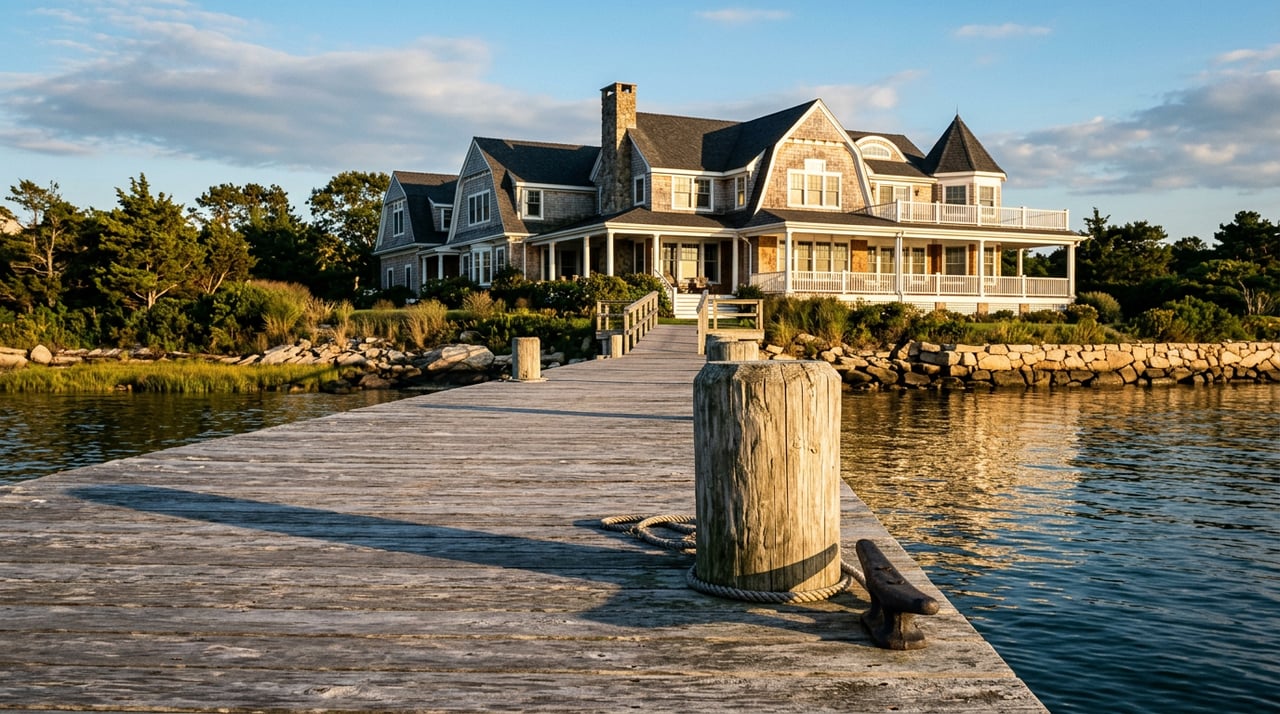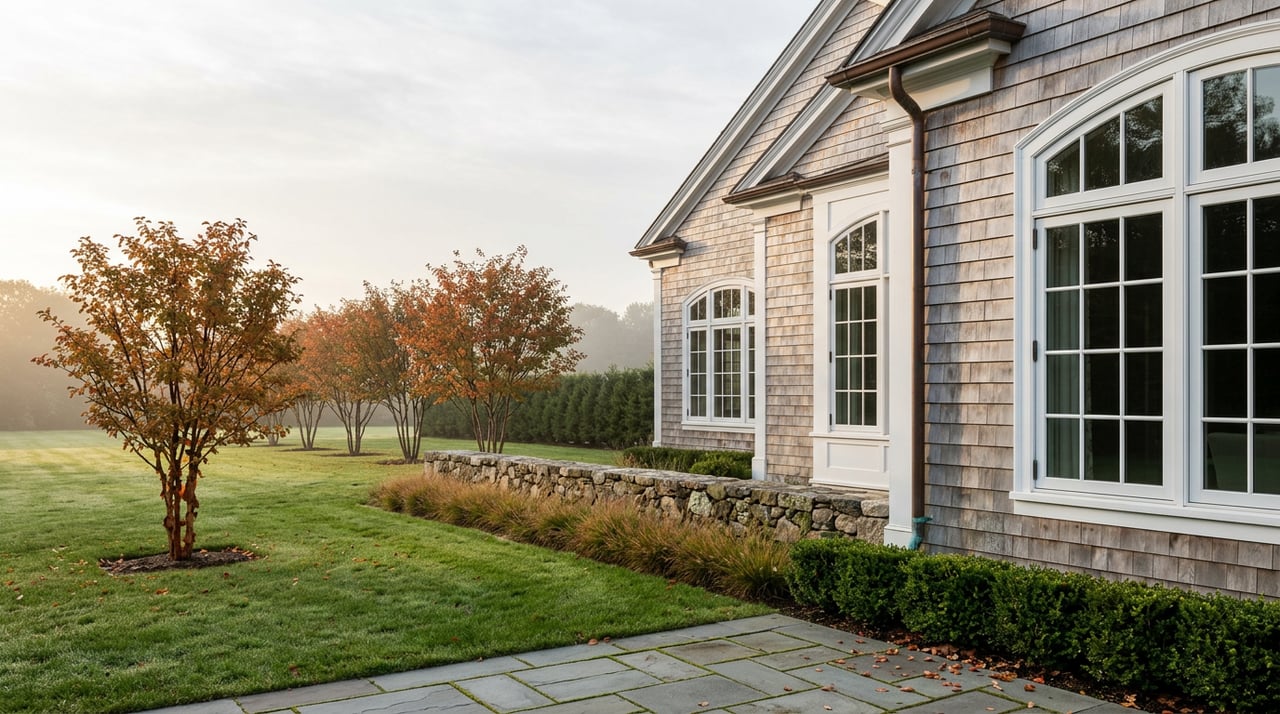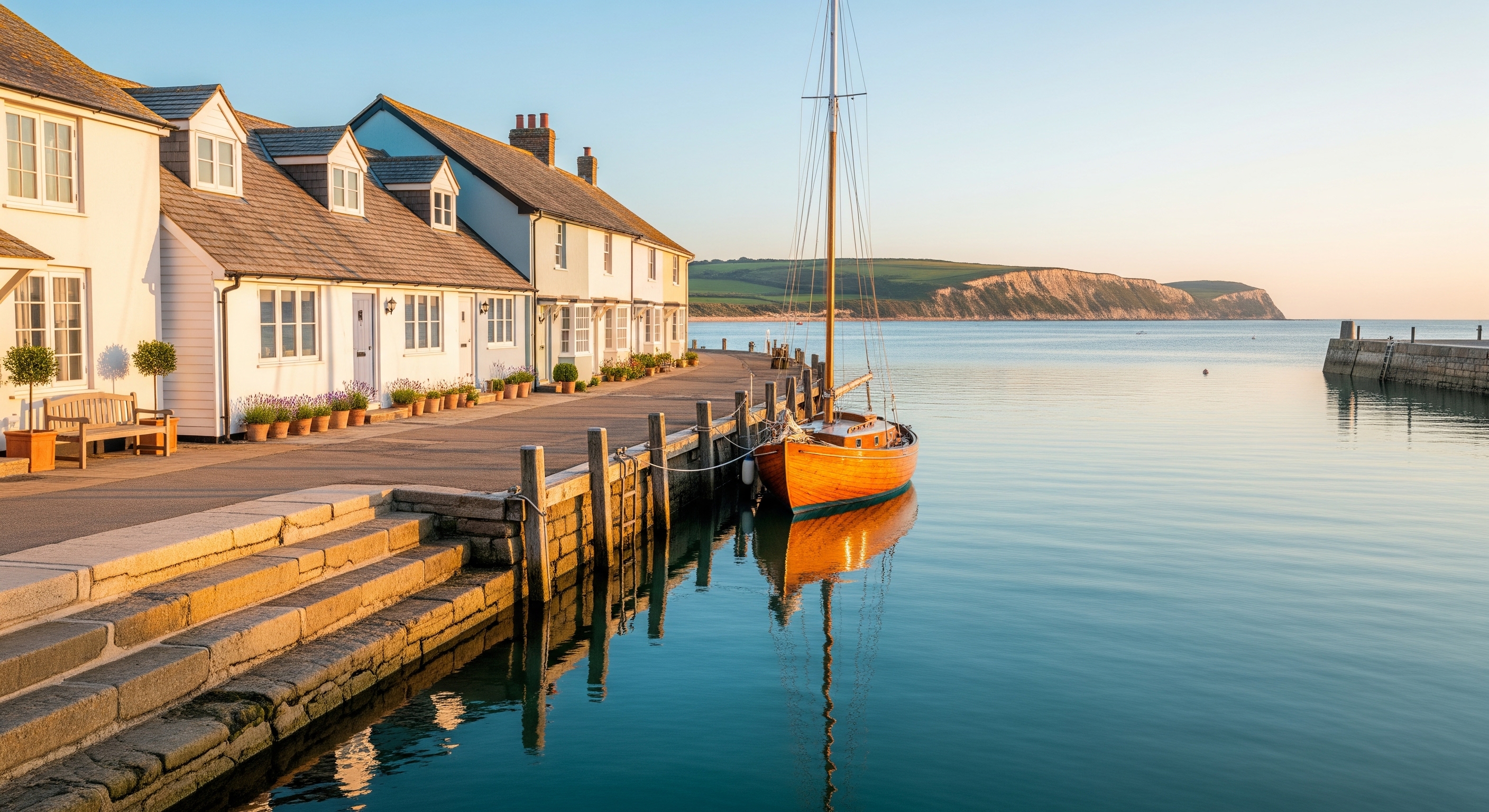
Craving salt air, harbor sunsets, and a quieter rhythm than the Cape? If you are exploring towns where boating, beaches, and small-village living meet practical access to Boston or Providence, the South Coast deserves a close look. In this guide, you will learn what sets Marion, Mattapoisett, Dartmouth, and Westport apart, plus how to navigate harbors, culture, commutes, and key buying considerations with confidence. Let’s dive in.
The South Coast at a glance
The South Coast stretches from Wareham and New Bedford west to Westport, with Dartmouth and coastal villages in between. You will find classic New England harbors, working waterfronts, and quiet neighborhoods that feel more relaxed than many Cape markets. Many buyers choose the area for its maritime culture, waterfront access, and relative value compared with select Cape Cod and Boston suburbs.
Seasonality shapes daily life. Summer brings more boats in the moorings, busy waterfront restaurants, and a lively calendar of events. The rest of the year is steady and neighborly, with year-round services and a smaller-town feel.
Town-by-town snapshot
Marion
Marion is a small, maritime village centered on Sippican Harbor with a walkable core and tree-lined streets. The waterfront is a hub for sailing, with a mix of historic cottages, village homes, and premium shoreline properties. The town is also home to the waterfront campus of Tabor Academy, a notable private secondary school.
Mattapoisett
Mattapoisett offers a compact harbor village and low-key shoreline neighborhoods. You will find accessible boating, seasonal events, and local dining that leans seafood and harbor views. Many buyers come for the village lifestyle and manageable scale.
Dartmouth
Dartmouth is the largest of the four, with suburban and rural areas, beaches, conservation land, and the beloved harbor village of Padanaram in South Dartmouth. The presence of UMass Dartmouth adds cultural programming and continuing education, while neighborhoods range from near-harbor homes to country properties.
Westport
Westport is more rural and spread out, with farms, river estuaries, and a strong beach identity anchored by Horseneck Beach State Reservation. Westport Harbor and the river offer boating and birding, and inland roads reveal stone walls, fields, and a relaxed country-coastal mix.
Harbors and on-the-water life
Each town supports recreational harbors with marinas, yacht clubs, and seasonal moorings. Expect waitlists for slips or moorings in peak season. If a boat is central to your lifestyle, check marina availability and town mooring policies early, and verify what does or does not transfer with a home.
Shellfishing is part of local life, both commercial and recreational. Closures can occur due to water quality or red tides. Before harvesting, consult your town’s shellfish department and state advisories. Tidal ranges and shoals also shape how you use the water. Boaters should study NOAA Tides and Currents and follow harbormaster guidance when navigating channels and bars.
Sea level rise, coastal erosion, and storm patterns affect waterfront ownership. Review FEMA mapping and elevation data early. The FEMA Flood Map Service Center is the starting point for understanding flood zones that can influence insurance, lending, and future improvements.
Beaches and public access
Horseneck Beach is one of the region’s most visited public beaches, with sweeping views and a long shoreline for walks, swimming, and wind sports. Explore the official page for Horseneck Beach State Reservation for parking, passes, and seasonal updates. Other towns maintain smaller beaches and waterfront parks with permit or parking rules that may vary by season. If beach access is a priority for you, confirm town policies and guest rules before you finalize a neighborhood.
Dining, arts, and community
Dining tends to be seafood-forward, from casual clam shacks to chef-led spots in harbor villages. Many waterfront venues expand hours in summer, so expect a livelier scene in peak season. Off-season, you still have reliable local favorites and nearby options in New Bedford.
For arts and culture, regional anchors in New Bedford serve the entire South Coast. The New Bedford Whaling Museum offers exhibitions and maritime history, while the Zeiterion Performing Arts Center brings touring shows and performances. On campus and in town, UMass Dartmouth contributes gallery shows, lectures, and community events. In the smaller villages, look for local galleries, craft shows, farmer’s markets, and holiday parades.
Getting here and getting around
I-195 is the main east-west corridor, linking the South Coast to Providence and I-95, while Route 6 weaves through the coastal towns. Typical drives are about 30 to 50 minutes to Providence and often 1 to 1.5-plus hours to Boston, depending on your exact start point, traffic, and time of day. Summer weekends and Cape bridge traffic can add meaningful time, so it is wise to test your commute at peak periods.
Direct commuter rail between New Bedford or Fall River and Boston is limited. The MBTA South Coast Rail project aims to restore rail connections, but many residents blend remote work with driving to nearby MBTA stations for occasional trips. For island escapes, the Steamship Authority is the traditional gateway from Woods Hole to Martha’s Vineyard and Nantucket, an easy day trip from much of the South Coast. Major airports include T.F. Green in Providence and Boston Logan.
Real estate patterns and what to expect
Compared with some Cape Cod and select Boston-adjacent markets, the South Coast has historically offered relative value. Since 2020, demand for waterfront and near-harbor homes has increased and inventory has tightened. You will see three broad property types: waterfront estates with premium pricing and specialized insurance needs, village or near-harbor homes with walkable convenience, and rural inland properties that feel country-coastal.
Waterfront ownership often involves additional due diligence. Many coastal parcels sit within FEMA flood zones, which can affect insurance costs and mortgage underwriting. Conservation or coastal bylaws may shape renovations, seawall work, or dock improvements. If you plan to rent, know that short-term rental rules vary by town and can change with town meeting votes.
Buyer due diligence checklist
- Confirm FEMA flood zone status, elevation, and preliminary insurance quotes before you commit.
- Ask about marina slip or mooring availability, transferability, and waitlist timelines.
- Verify septic versus sewer and schedule inspections. Many coastal homes rely on septic systems.
- Check for conservation commission approvals and historic district guidelines that could affect renovation scope and timing.
- Test-drive your commute on a weekday morning and a summer weekend afternoon.
How to choose your South Coast fit
Start with lifestyle priorities. If you want daily boating, focus on proximity to your harbor of choice and slip or mooring logistics. If you value a walk-to-village routine, look near Marion’s center, Mattapoisett Harbor, or Dartmouth’s Padanaram. For privacy and acreage, widen your search to inland Dartmouth or the rural roads of Westport.
Think seasonally. A home that feels peaceful in November may sit near a busy beach road in July. Visit properties at different times of day, and ask about traffic, parking, and neighborhood rhythms in peak season. Pair those impressions with the practicals: flood risk, permitting pathways, and long-term maintenance.
Ready when you are
If you are weighing a South Coast move or second home, a discreet, senior advisor can help you balance lifestyle and long-term value. From harbor logistics and flood insurance to presentation and negotiation, you deserve experienced guidance tailored to high-value coastal property. When you are ready to take the next step, connect with Robert Kinlin.
FAQs
How long are typical South Coast commutes to Boston or Providence?
- Expect about 30 to 50 minutes to Providence and often 1 to 1.5-plus hours to Boston depending on town, traffic, and time of day. Direct rail is limited while the South Coast Rail project advances.
Are slips or moorings usually included when buying a waterfront home?
- Not usually. Slips and moorings are typically managed by marinas or harbormasters and may have fees or waitlists. Confirm availability, transfer rules, and timing before you buy.
What should I know about flood risk for South Coast properties?
- Many coastal homes sit in FEMA flood zones that affect insurance and lending. Start with the FEMA Flood Map Service Center and consult local elevation and historic flood data.
How strong is the local arts and culture scene year-round?
- Smaller towns host steady community events, and New Bedford anchors the region with institutions like the New Bedford Whaling Museum and the Zeiterion Performing Arts Center for exhibitions and performances.
Where do I find the best beach access in the area?
- For a broad, ocean-facing beach, visit Horseneck Beach State Reservation in Westport. Each town also maintains smaller beaches or parks with seasonal permit rules.
Is the South Coast good for regular boating and sailing?
- Yes. Harbors in Marion, Mattapoisett, Dartmouth, and Westport support robust recreational boating. Review local rules and consult NOAA Tides and Currents for safe navigation.
Are short-term rentals allowed across South Coast towns?
- Rules vary by town and can change. Review local bylaws and registration requirements before planning rental income, and confirm any association restrictions.