Thinking about the South Coast and wondering why demand has been so steady, even as rates and inventory shift? You are not alone. Many buyers compare South Coast towns with Cape Cod, looking for coastal living that works year‑round without peak‑season congestion. In this guide, you will see what drives demand on the Massachusetts South Coast, how it differs from the Cape, and how to evaluate properties with confidence. Let’s dive in.
Why the South Coast is surging
The South Coast blends livable coastal neighborhoods, an active maritime economy, and convenient access to regional job centers. You get a stronger year‑round population than many Cape towns and a mix of homes near harbors, marinas, and village centers. For many buyers, the value story is compelling compared with similar waterfront areas on the Cape.
Relative affordability also plays a role. While prices vary by town and shoreline proximity, many South Coast markets offer a lower entry point than comparable Cape neighborhoods. That attracts first‑time coastal buyers, move‑up families, remote professionals, and downsizers who want quiet harbors without peak tourist crowds.
Commuter access and connectivity
I‑195 ties the South Coast to Providence and southeastern Massachusetts, with Route 6 and local roads connecting harbor towns and marinas. This corridor supports hybrid workers and commuters who want coastal living without giving up mainland access. For Boston commuters, drives can still be lengthy depending on town and traffic patterns.
Buyers also watch long‑term rail plans. MassDOT’s South Coast Rail project aims to restore passenger rail service to Fall River and New Bedford. Perceived progress or delays can influence buyer timelines, neighborhood preferences, and long‑term price expectations near planned stations.
Maritime economy and offshore wind
New Bedford is a major U.S. commercial fishing port by value, with a cluster of seafood processing and maritime services that support year‑round jobs and housing demand. For broader context on national fisheries and port rankings, review NOAA Fisheries’ annual “Fisheries of the United States”.
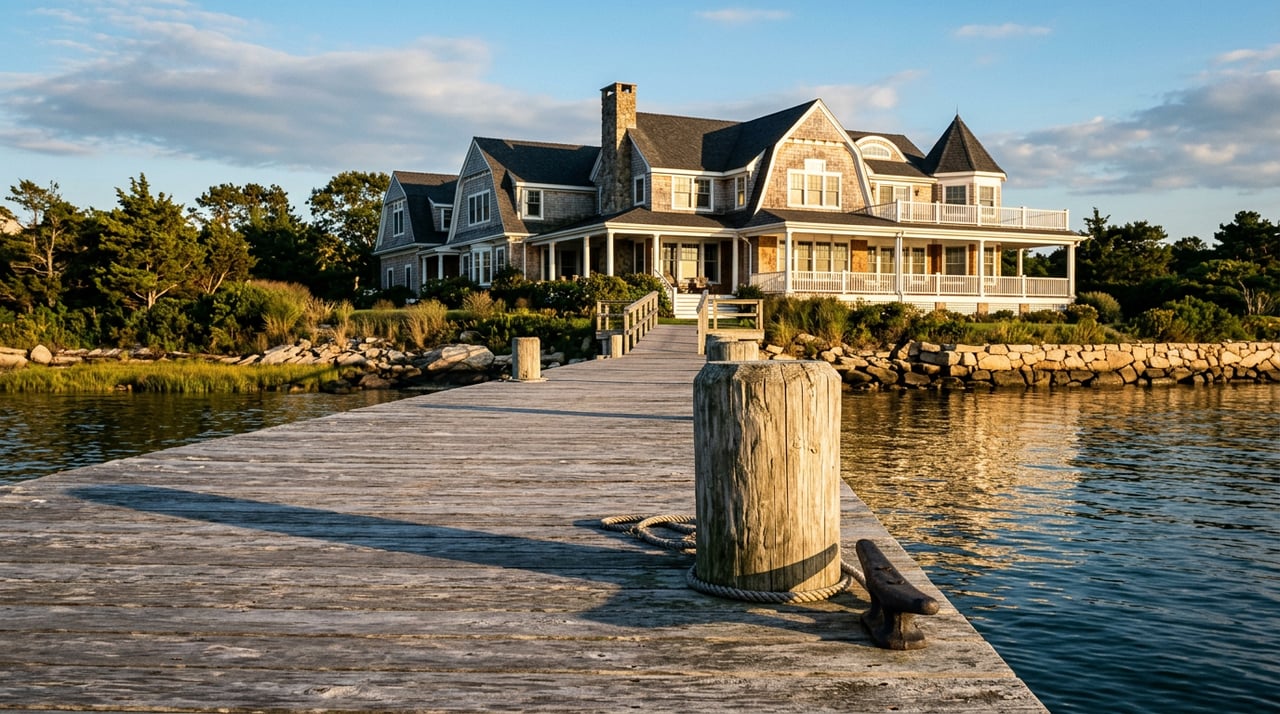
Marinas in Marion, Mattapoisett, Fairhaven, parts of Dartmouth, and Wareham appeal to boaters seeking sheltered harbors with direct access to Buzzards Bay. Slip availability, harbor protection, and ease of open‑water access are lifestyle drivers that can influence home selection and value.
Offshore wind adds another dimension. State and regional investments position New Bedford and nearby ports as staging and service hubs, which can create construction and operations roles over time. For program details, explore the MassCEC offshore wind resources and the New Bedford Port Authority for local port developments.
Lifestyle and affordability vs Cape Cod
- South Coast towns tend to have a higher share of year‑round residents and a steadier off‑season rhythm.
- Cape Cod has stronger seasonality, more concentrated summer amenities, and a higher share of second homes. That often produces higher median prices in many Cape submarkets.
- Choosing the South Coast can mean less tourist congestion and shorter mainland drives, with marinas and working harbors that stay active all year. The Cape offers island ferry networks and a deeper summer tourism infrastructure at a premium.
Market dynamics you should watch
- Interest rates and supply: Higher rates have cooled activity in many areas since 2022, yet desirable coastal neighborhoods still carry tight inventory.
- Remote and hybrid work: Wider search radii since 2020 continue to benefit lifestyle markets with good connectivity and year‑round services.
- Buyer mix: You will see year‑round local workers, commuting professionals, remote workers seeking coastal value, and a smaller share of second‑home buyers than on the Cape.
Environmental and regulatory factors
Flood risk and insurance
Coastal risk affects insurance, mortgage requirements, and long‑term value. Confirm FEMA flood zone status and model future exposure before you commit. Use the FEMA Flood Map Service Center to check VE/A designations and review the state’s Sea Level Rise and Coastal Flooding Viewer for scenario planning. Compare quotes from NFIP and private carriers to understand true carrying costs.
Sewer, septic, and permitting
South Coast towns vary widely. Urban areas often have sewer access, while rural or shoreline neighborhoods rely on private septic. If a property has a septic system, verify the last Title 5 inspection and any required upgrades. By contrast, many Cape towns face tighter watershed and nitrogen rules that shape renovations and new builds. For background, review the Cape Cod Commission’s water resources work.
Zoning and waterfront rules
Waterfront parcels may be subject to harbor overlays, conservation restrictions, or historic district guidelines. If short‑term rentals are part of your plan, check the town’s registration and inspection rules. Local bylaws vary and can affect revenue projections and resale.
Town snapshots at a glance
- New Bedford: Regional hub with a major commercial fishing port, hospitals, and urban services. Offers year‑round employment and more affordable urban housing options.
- Fall River: City on I‑195 with waterfront redevelopment activity and comparatively lower prices. Appeals to value‑focused buyers and investors.
- Dartmouth: Suburban and coastal with university presence and a mix of neighborhoods, farms, and shoreline properties.
- Fairhaven: Historic coastal town adjacent to New Bedford with marinas and access to services along the harbor.
- Mattapoisett and Marion: Smaller, high‑demand harbor towns with quality marinas and quieter residential streets.
- Wareham: Gateway to the Cape with varied housing stock and waterfront pockets at a lower entry point than many Cape towns.
- Westport, Rochester, Acushnet: More rural or semi‑rural settings that appeal to buyers seeking larger lots and a relaxed coastal feel.
Cost checklist beyond price
Before you fall in love with a harbor view, map the total cost of ownership:
- Property taxes: Rates vary by town, so confirm with the local assessor.
- Insurance: Budget for wind and flood coverage where applicable; premiums can vary by elevation and distance to water.
- Utilities and maintenance: Waterfront exposure can increase upkeep, from siding to bulkheads. Septic vs sewer status affects long‑term costs.
Resale and investment outlook
Resale strength tracks access to employment centers, healthcare, and services, along with harbor amenities that hold year‑round value. Areas that capture offshore wind supply‑chain and port‑related activity may see sustained demand from workers and contractors. As always, exposure to coastal risk and local policy shifts around wastewater and short‑term rentals can influence timelines and returns.
How to evaluate a South Coast property
Use a clear, staged approach:
- Confirm location drivers
- Proximity to I‑195 or regional job centers you frequent.
- Marina access, slip availability, and travel time to open water.
- Stress‑test carrying costs
- Model taxes, insurance, utilities, and association fees.
- Price out likely improvements or septic upgrades.
- Vet environmental exposure
- Check FEMA and state flood tools, elevation data, and erosion history.
- Review drainage, bulkheads, and shoreline stabilization.
- Map regulatory steps
- Identify zoning overlays, conservation constraints, and any STR rules.
- Prepare permitting timelines for renovations or additions.
- Align with your time horizon
- Consider South Coast Rail’s potential commute implications over 5 to 10 years.
- Track port and offshore wind developments that may support steady demand.
If you want a private conversation about neighborhoods, harbor access, or how South Coast value compares with your Cape shortlist, reach out to Robert Kinlin. You will get discreet, data‑driven guidance tailored to your goals.
FAQs
How do prices and taxes compare between the South Coast and Cape Cod?
- The Cape often carries higher medians and stronger seasonality, while many South Coast towns offer lower entry prices; verify current medians with the Massachusetts Association of Realtors market data and confirm town tax rates with local assessors.
Is the South Coast a practical commute for Boston or Providence?
- Providence is more accessible via I‑195, while Boston drives are longer; the planned South Coast Rail service is a factor for long‑term commute planning near Fall River and New Bedford.
How does offshore wind activity affect housing demand?
- Port and staging investments tied to offshore wind can add construction and operations jobs that support steady rental and purchase demand; follow updates through the MassCEC offshore wind resources.
What should I know about flood insurance on the South Coast?
- Check the FEMA Flood Map Service Center for flood zone status and use the state’s Sea Level Rise and Coastal Flooding Viewer to assess future exposure and likely insurance costs.
Which South Coast towns balance boating access and year‑round services?
- Marion, Mattapoisett, Fairhaven, Dartmouth, and Wareham each offer marinas and access to services; the best fit depends on your slip needs, commute patterns, and desired neighborhood setting.
How does second‑home demand differ from Cape Cod?
- The Cape has a higher share of second homes and short‑term rentals, which amplifies seasonality; the South Coast skews more year‑round, with steadier off‑season markets.
Will septic or sewer status affect my renovation plans?
- Yes. Sewer access can simplify expansions, while septic systems may require Title 5 compliance or upgrades; always confirm with the town health and building departments before finalizing plans.