If you are searching for waterfront living with real substance, New Bedford deserves a closer look. This is not a polished resort market built around a single marina or seasonal strip. It is a historic harbor city with working-waterfront energy, architectural provenance, and access that can appeal to buyers who want both lifestyle value and long-term perspective. Let’s take a closer look at what discerning buyers should know.
Why New Bedford Waterfront Stands Apart
New Bedford’s waterfront feels different from many coastal markets in Massachusetts. The harbor sits at the edge of a city of about 101,318 residents, and the setting is shaped by the Port of New Bedford, which the port authority describes as the nation’s most valuable commercial fishing port since 2001.
That working harbor identity matters. It creates a waterfront defined by commerce, boating, restoration, and maritime infrastructure, rather than a purely leisure-driven environment. For many buyers, that mix gives New Bedford a sense of authenticity that is hard to replicate.
The port authority also reports about $11.1 billion in annual economic value tied to the port. Combined with the city’s location roughly 83 miles south of Boston and nine nautical miles from the Cape Cod shipping canal, New Bedford offers a strategic coastal position with a distinctly urban waterfront character.
What Luxury Waterfront Living Looks Like Here
In New Bedford, waterfront living is rarely one-note. The housing story is tied to the city’s whaling-era wealth, historic districts, and ongoing adaptation of older buildings near the harbor.
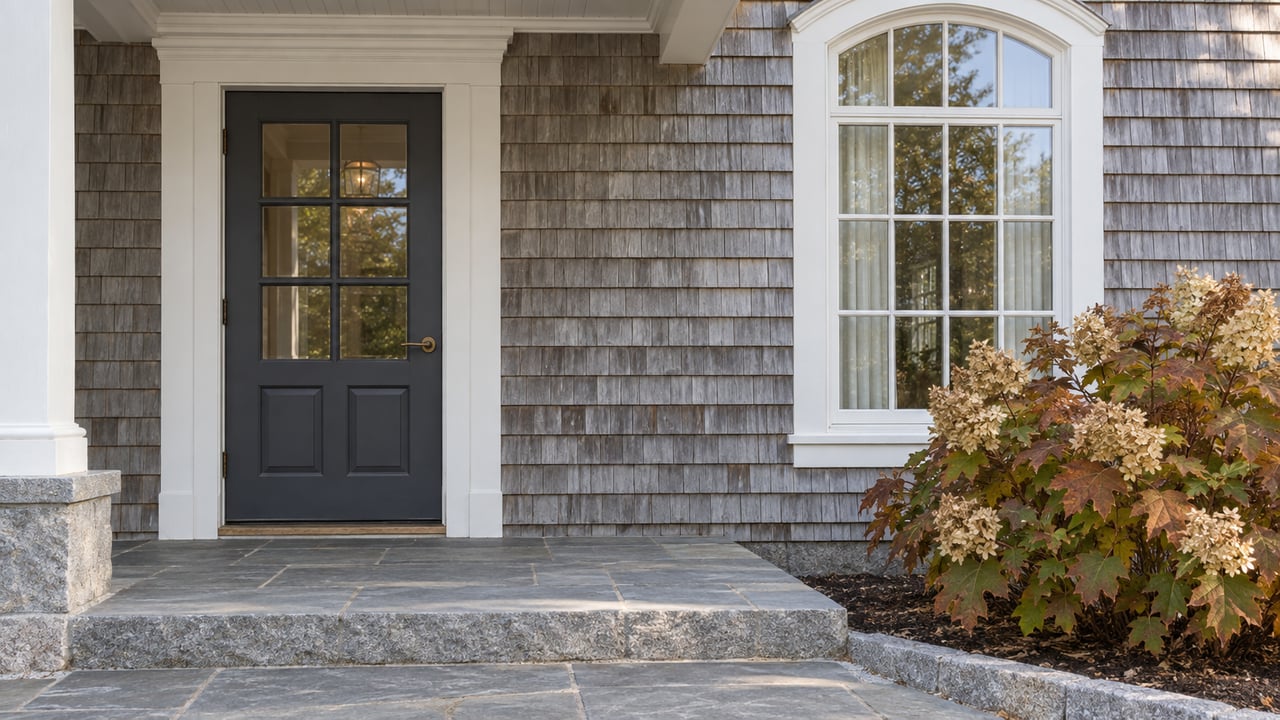
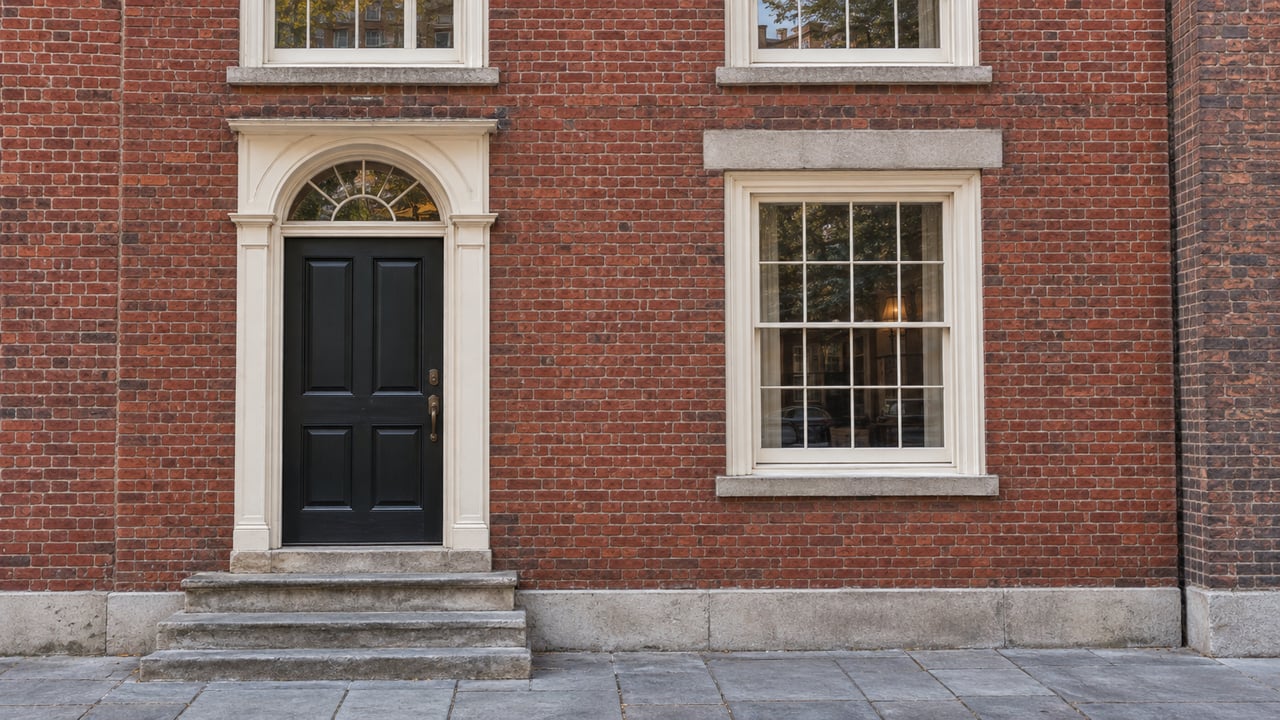
The National Park Service notes that whaling financed homes, businesses, and public buildings across the city. As a result, you may find a mix of Federal, Greek Revival, Italianate, and other 19th-century architectural styles in waterfront-adjacent areas.
For a discerning buyer, that means the premium market may include more than one property type. You could encounter restored merchant or captain-era houses, renovated brick buildings, and mixed-use structures with historic character, rather than a uniform collection of newer waterfront condominiums.
Historic Character Can Add Real Value
One of New Bedford’s strongest draws is its preserved architectural fabric. The National Park Service describes the city’s historic environment as one shaped by wealth, trade, and maritime influence, with notable concentrations of period buildings near the waterfront.
Areas tied to the waterfront story include Bedford Landing, Merrill’s Wharf, and Central New Bedford on city historical commission maps. These locations can offer the kind of provenance many luxury buyers seek, especially when a home’s setting, façade, and materials reflect the city’s 19th-century history.
The New Bedford Whaling National Historical Park deepens that appeal. The park spans a 13-block historic district with Belgian block streets, merchant homes, galleries, shops, and cafes, giving the waterfront a cultural layer that supports place value beyond the water itself.
Why Boating Access Matters in New Bedford
If your waterfront priorities include boating, New Bedford offers meaningful infrastructure. The port authority manages all city-owned waterfront property, including wharves and a 204-slip recreational marina at Pope’s Island.
The harbor system is also broader than many buyers expect. According to port materials, harbor attendants maintain 10 mooring fields with 496 moorings, along with waiting lists for assignments. Dinghy docks, boat ramps, and marine-user services are part of the day-to-day waterfront landscape.
This matters because not every waterfront market offers practical boating access at scale. In New Bedford, the boating lifestyle is supported by real harbor operations, not just scenic views.
Regional Access Adds Flexibility
Many high-end buyers want a coastal property that still feels connected. New Bedford offers several layers of regional access that can make second-home ownership or split-time living easier.
The port authority says Seastreak operates seasonal ferry service from New Bedford to Martha’s Vineyard and Nantucket, while Cuttyhunk Ferry Service runs year-round to Cuttyhunk. Cape Air also flies from New Bedford to Martha’s Vineyard and Nantucket.
On land, South Coast Rail service now connects New Bedford and Boston, according to Mass.gov. The Route I-195 and Route 18 interchange is another major connection point, which adds convenience for buyers balancing South Coast living with business or family commitments elsewhere.
What Buyers Should Know About the Working Harbor
New Bedford’s appeal is tied to an active harbor, and that has practical implications. If you are considering a property near marine traffic channels or bridge crossings, it helps to understand how the waterfront actually operates.
The port’s bridge schedule notes that the New Bedford/Fairhaven Bridge opens for marine traffic and that marine traffic has priority over vehicular traffic. That may be a minor detail for some buyers, but it can affect daily rhythms if you expect quick car access near active harbor areas.
For the right buyer, this is part of the charm. A working waterfront brings movement, purpose, and visible maritime life, but it also asks you to appreciate the realities that come with an active port environment.
Due Diligence Is Especially Important
Waterfront purchases in New Bedford can require more review than comparable inland properties. This is one of the most important considerations for affluent buyers who want to protect both enjoyment and resale flexibility.
Massachusetts identifies the New Bedford-Fairhaven area as one of the state’s designated port areas, intended to protect and promote water-dependent industrial uses. In addition, MassDEP’s Chapter 91 guidance indicates that work on tidelands and certain filled waterfront areas may require waterways authorization.
Historic-district review can add another layer. The city historical commission notes design review responsibilities within the Bedford Landing-Waterfront Historic District, which may affect exterior changes such as windows, roofs, additions, and other visible alterations.
In practical terms, you should assume that docks, bulkheads, shoreline improvements, and exterior renovations may involve more oversight than they would elsewhere. Clear documentation matters.
Climate and Flood Risk Should Be Part of the Conversation
In any coastal market, resilience belongs in your decision process. New Bedford is no exception.
Massachusetts climate guidance projects up to 2.5 feet of relative sea-level rise by 2050 and 4.3 feet by 2070 if emissions are not significantly reduced. The state’s South Coast materials also identify coastal flooding and hurricane-force winds as major regional risks.
The U.S. Army Corps of Engineers states that the New Bedford Hurricane Protection Barrier protects about 1,400 acres in New Bedford, Fairhaven, and Acushnet from tidal flooding. That is an important asset, but it should be understood as part of the risk picture, not a reason to ignore it.
For buyers thinking long term, the strongest acquisitions are often those with a clear understanding of flood exposure, insurance costs, maintenance realities, and adaptation potential.
Resale Value Depends on More Than the View
A compelling waterfront view can open the door, but resale strength usually depends on more than scenery. In New Bedford, usability and documentation can be just as important as visual appeal.
A buyer evaluating long-term value should look closely at:
- Flood exposure and insurance considerations
- Any dock, slip, or mooring rights
- Historic-district constraints on exterior work
- Shoreline maintenance obligations
- The practicality of access by car and boat
- The condition of older structures and systems
This is especially true in a market where building age, harbor use, and regulatory overlays can vary significantly from one property to the next.
Lifestyle Beyond Private Frontage
For many discerning buyers, waterfront living is not only about owning a piece of shoreline. It is also about how a place feels day to day.
New Bedford offers strong public-facing waterfront amenities that add depth to ownership. State materials point to East Beach as a public saltwater-access location, and the Coast Guide program includes the New Bedford Harborwalk among public-access and trail examples.
That broader maritime identity can be a real advantage. It means your lifestyle is supported not only by private property, but also by walkable historic streets, harbor views, cultural landmarks, and public shoreline spaces that make the waterfront feel active and lived-in.
A City With Heritage and Edge
New Bedford is best understood as a waterfront for buyers who appreciate complexity. It combines history, architecture, boating access, and regional connectivity with the realities of a working harbor and a regulated shoreline.
That combination will not suit every buyer. But if you value provenance, maritime culture, and the opportunity to own in a place with both visual appeal and civic depth, New Bedford can offer a compelling alternative to more predictable coastal markets.
Citywide pricing also suggests meaningful demand. Redfin reported a median New Bedford sale price of $459,663 in April 2026, with a median 32 days on market and a market described as very competitive. For waterfront and historic properties, values can diverge substantially based on views, condition, access, and district constraints, which makes careful property-level analysis essential.
If you are considering a waterfront purchase in New Bedford, a measured, detail-driven approach can help you identify properties that offer not just beauty, but enduring utility and value. For discreet guidance on coastal and waterfront opportunities, connect with Robert Kinlin.
FAQs
What makes New Bedford waterfront living different from other coastal Massachusetts markets?
- New Bedford offers a working harbor environment shaped by commercial fishing, boating, historic architecture, and regional transportation links, rather than a purely seasonal resort setting.
What types of waterfront homes can buyers find in New Bedford?
- Buyers may find a mix of historic houses, renovated commercial buildings, mixed-use properties, and waterfront-adjacent residences influenced by the city’s whaling-era architectural legacy.
What should buyers know about boating access in New Bedford?
- The port authority manages extensive waterfront infrastructure, including a 204-slip marina at Pope’s Island, 10 mooring fields, 496 moorings, dinghy docks, and boat ramps.
What historic-district issues affect New Bedford waterfront properties?
- In areas such as the Bedford Landing-Waterfront Historic District, exterior changes may be subject to local design review, which can affect renovations, additions, windows, roofs, and similar visible updates.
What flood and climate factors matter for New Bedford waterfront buyers?
- Buyers should review flood exposure, insurance considerations, and resilience planning carefully, since the South Coast faces coastal flooding and storm risks even with the New Bedford Hurricane Protection Barrier in place.
What transportation options support New Bedford waterfront ownership?
- New Bedford offers access by ferry, rail, highway, and regional air service, including seasonal ferry routes to Martha’s Vineyard and Nantucket and rail service to Boston.