Choosing between the South Coast and Cape Cod for a waterfront home is not just about price or postcard appeal. It is about how you want to live, travel, entertain, and use the property throughout the year. If you are weighing these two coastal markets, this guide will help you compare lifestyle, inventory, access, and buyer fit so you can make a more informed decision. Let’s dive in.
South Coast vs. Cape Cod at a Glance
Both regions offer meaningful access to the water, but they deliver very different ownership experiences. The South Coast is a broad coastal region that includes working ports, river towns, beach communities, and historic centers across places such as Dartmouth, Fairhaven, Marion, Mattapoisett, New Bedford, Wareham, and Westport.
Cape Cod is a more unified peninsula market with distinct subregions, bridge-dependent access, and a strongly seasonal tourism economy. For many buyers, the real question is simple: do you want a mainland-connected coastline with varied settings, or a more defined resort peninsula with a classic vacation identity?
South Coast Lifestyle
The South Coast often feels more local and more year-round in its daily rhythm. In New Bedford, the harbor remains tied to fishing, trade, and marine industry, giving the region a working-waterfront identity that goes beyond recreation.
That atmosphere carries into nearby communities in different ways. Fairhaven, for example, is known for historic streets, seaside character, brick buildings, and Victorian homes, while beach destinations such as Horseneck Beach bring strong summer activity without defining the entire region.
For waterfront buyers, that usually means your surroundings may feel lived-in and active in every season. You may be near a harbor, a riverfront, a town beach, or a historic village center rather than in a purely resort-driven setting.
Cape Cod Lifestyle
Cape Cod has a more visitor-oriented identity, even in towns with year-round residents. Summer plays an outsized role in the region, and the local economy is closely tied to seasonal activity, travel, and tourism.
The peninsula also has clear subregional differences. Upper Cape is closest to the bridges and mainland, Mid Cape functions as a transportation hub, Lower Cape is known for harbors and maritime settings, and the Outer Cape is closely associated with dramatic landscapes, arts, culture, and the national seashore.
If you picture a classic New England coastal getaway, Cape Cod often aligns with that vision. It tends to feel more destination-driven, with a stronger seasonal pulse and a more defined vacation-home atmosphere.
Waterfront Inventory on the South Coast
South Coast inventory is typically more varied than many buyers expect. Because the region includes working ports, rivers, bays, beaches, and historic town centers, your options may include harborfront homes, riverfront properties, bay-facing residences, beach-adjacent homes, and in-town properties that benefit from close water access.
In places like New Bedford, the waterfront also includes older character-rich buildings and historic districts with Federal and Greek Revival influences. In communities such as Fairhaven, the appeal may come from restored period homes near the harbor or within established village settings.
This mix can be especially attractive if you value variety. Instead of searching only for direct oceanfront, you can consider a broader range of waterfront experiences, each with its own use pattern and visual character.
Waterfront Inventory on Cape Cod
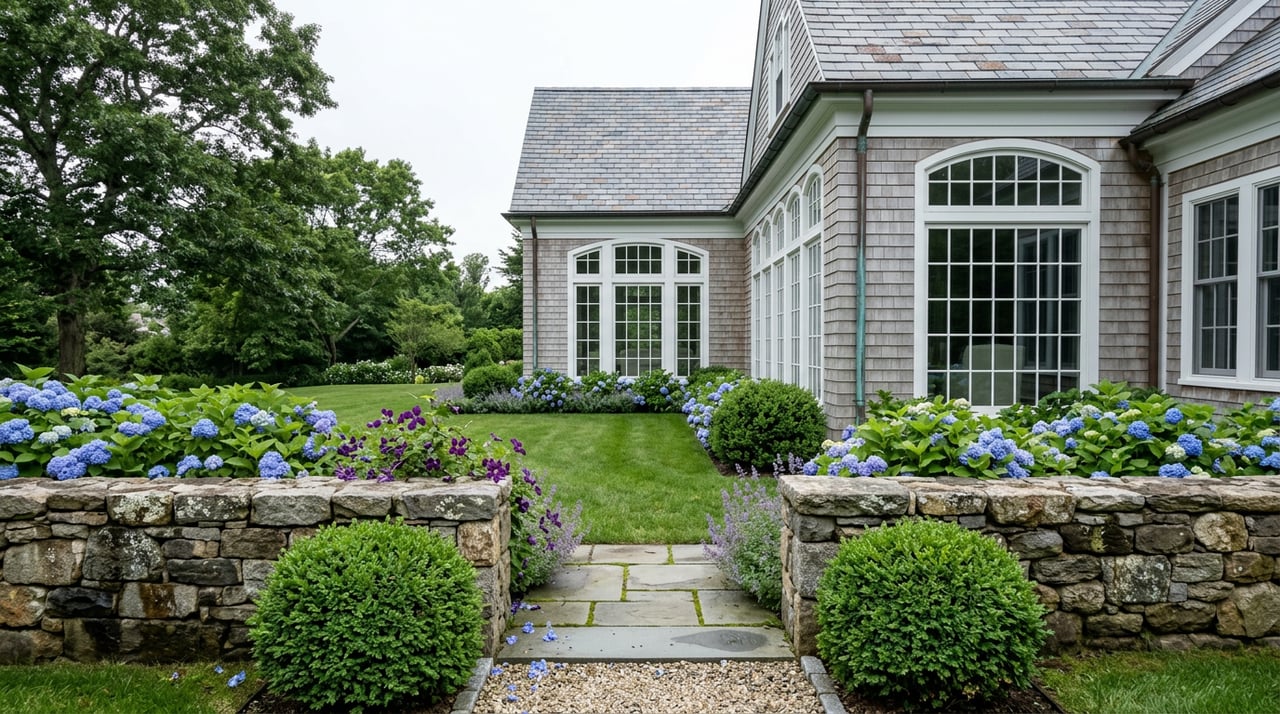
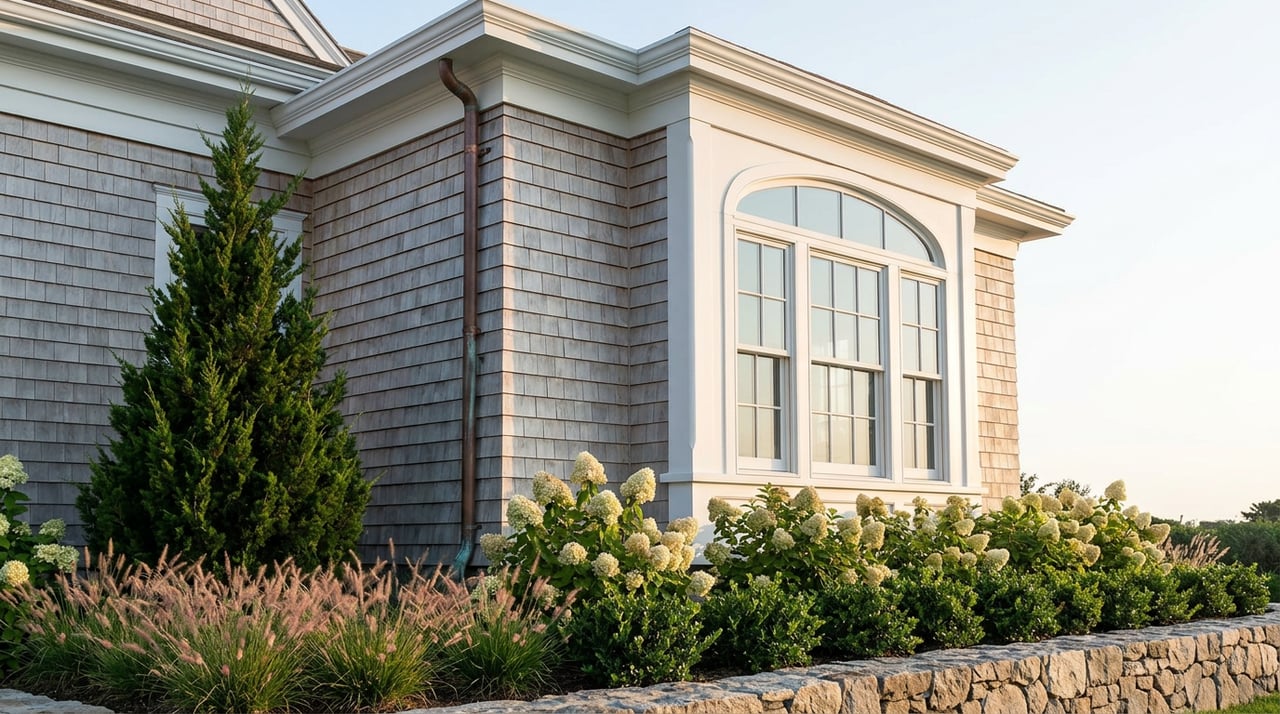
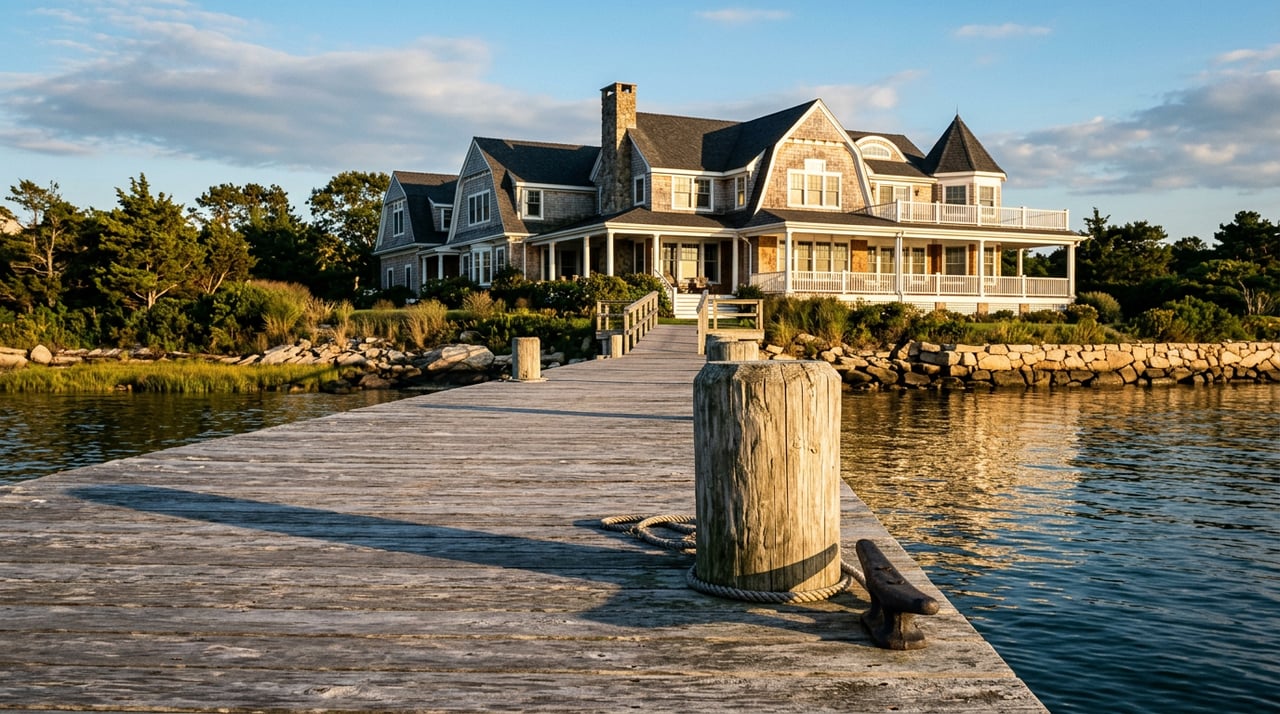
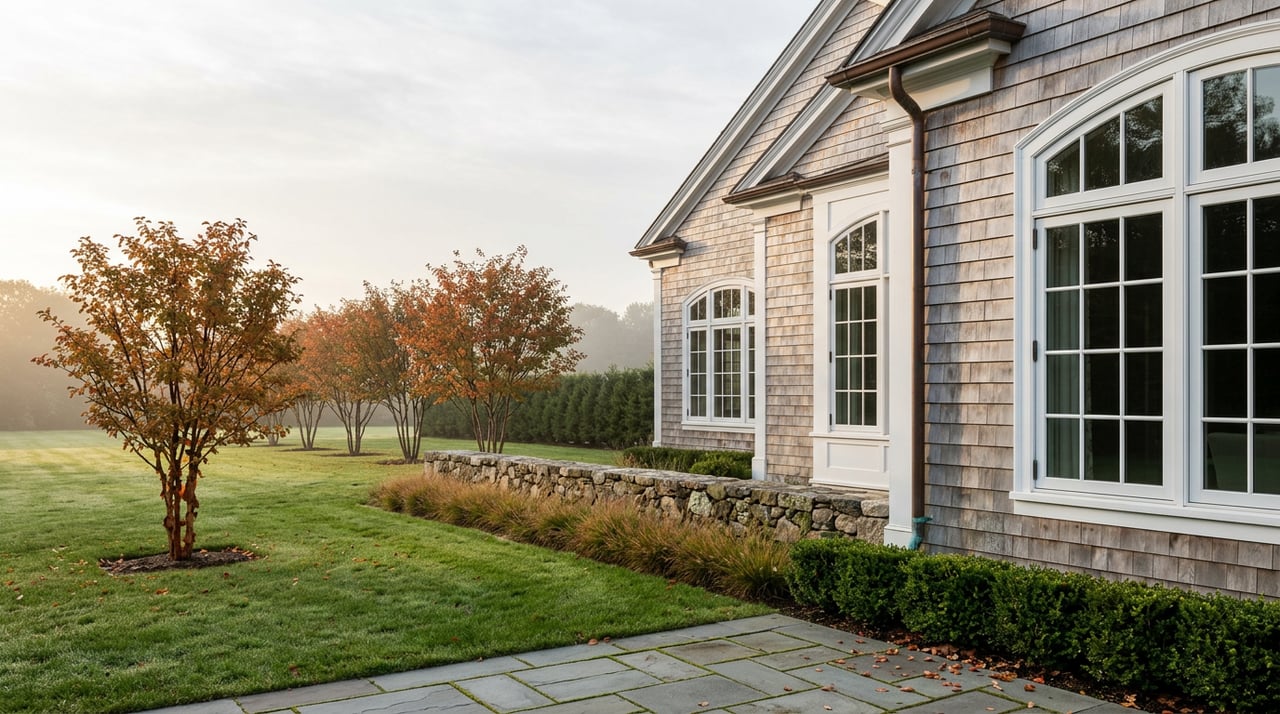
Cape Cod tends to offer a more recognizable coastal architectural identity. Shingle Style design has deep roots in seaside resort areas like Cape Cod, and buyers often associate the market with wood shingles, asymmetrical forms, broad porches, and a classic New England waterfront look.
That visual consistency matters if you are seeking a certain atmosphere. Across the peninsula, the identity often centers on harbor villages, beach towns, seashore-adjacent homes, and the kind of coastal setting many buyers immediately picture when they think of Cape Cod.
For some buyers, that clarity is a major advantage. If you want a waterfront purchase that feels distinctly and unmistakably Cape Cod, the peninsula usually delivers that in a way the more varied South Coast does not try to replicate.
Access and Travel Differences
Practical access can shape your ownership experience as much as the home itself. On the South Coast, improved regional connectivity has become an important part of the ownership story, especially with restored commuter rail service linking Boston with Fall River and New Bedford.
That mainland connection can matter if you plan to use the home frequently, host guests often, or balance coastal living with travel to other parts of Massachusetts. In general, the South Coast is less defined by a single travel bottleneck.
Cape Cod works differently. The Bourne and Sagamore bridges are the only vehicle access points to and from the peninsula, and they play a central role in transportation, freight, tourism, and emergency access.
For buyers, that often means planning around bridge traffic, seasonal congestion, and heavier visitor movement during peak months. Depending on how often you expect to come and go, that may be either a minor inconvenience or a meaningful quality-of-life factor.
Seasonality and Everyday Use
The South Coast can be a strong fit if you want a waterfront home that feels active beyond summer. While destinations like Horseneck Beach draw large seasonal crowds, the broader region is supported by working harbors, town centers, and year-round community life.
Cape Cod has a more pronounced seasonal cycle. Summer is the economic engine, and even after Labor Day, the region still leans into an extended coastal season that remains part of its identity.
Neither pattern is inherently better. The right choice depends on whether you prefer a more consistent year-round environment or enjoy the energy and rhythm of a seasonal coastal destination.
Pricing Patterns to Expect
Broad market data points to a general Cape Cod premium. In March 2026, median sale prices were about $536,000 in Bristol County and about $622,000 in Plymouth County, while Barnstable County was about $690,000. A February 2026 Cape Cod market report also showed a Barnstable County median sale price of $699,000 for single-family homes and $470,000 for condominiums.
Because the South Coast spans both Bristol and Plymouth counties, its pricing tends to be wider and less uniform. Some South Coast markets may feel more accessible than Cape Cod, while sought-after waterfront pockets can approach Cape-level pricing.
That matters because value is not only about the entry price. It is also about what type of setting, access profile, and ownership pattern you are buying into.
Which Waterfront Market Fits You Best?
If you are drawn to a classic resort identity, a strong seasonal atmosphere, and the architectural language many buyers associate with New England shoreline living, Cape Cod may feel like the clearer match.
If you prefer a broader range of waterfront settings, a more local and year-round feel, and mainland-connected access with less dependence on a single corridor, the South Coast may offer the better fit.
A useful way to frame the decision is this:
- Choose the South Coast if you want variety in setting, working-waterfront authenticity, historic-town character, and easier mainland access.
- Choose Cape Cod if you want a more unified peninsula identity, stronger seasonal energy, and the classic shingled coastal aesthetic.
Final Thoughts for Waterfront Buyers
The best waterfront purchase is the one that matches how you actually plan to live. A home that looks perfect in photos may feel less practical if access, seasonality, or setting do not align with your routine.
That is why comparing the South Coast and Cape Cod through the lens of daily use is so important. When you understand the tradeoffs clearly, you can focus your search with more confidence and better long-term perspective.
If you are considering a waterfront purchase on the South Coast or Cape Cod, Robert Kinlin offers discreet, highly informed guidance shaped by deep coastal market experience.
FAQs
Is the South Coast or Cape Cod better for year-round waterfront living?
- The South Coast often feels more year-round because it includes working ports, historic town centers, and mainland-connected communities, while Cape Cod has a stronger seasonal and tourism-driven rhythm.
Is Cape Cod more expensive than the South Coast for waterfront buyers?
- Broad county-level data suggests Cape Cod generally carries a higher median price, though South Coast pricing varies widely and some prime waterfront areas can approach Cape Cod levels.
What kinds of waterfront homes are common on the South Coast?
- South Coast buyers may find a mix of harborfront, riverfront, bay-facing, beach-adjacent, and historic in-town homes with close water access.
What makes Cape Cod different from the South Coast for access?
- Cape Cod depends on the Bourne and Sagamore bridges for vehicle access, while the South Coast generally offers a less constrained mainland access pattern and includes restored commuter rail service to Fall River and New Bedford.
Which market has the more classic New England coastal look?
- Cape Cod is more closely associated with the classic shingled New England resort aesthetic, while the South Coast offers a broader mix of architectural and waterfront settings.