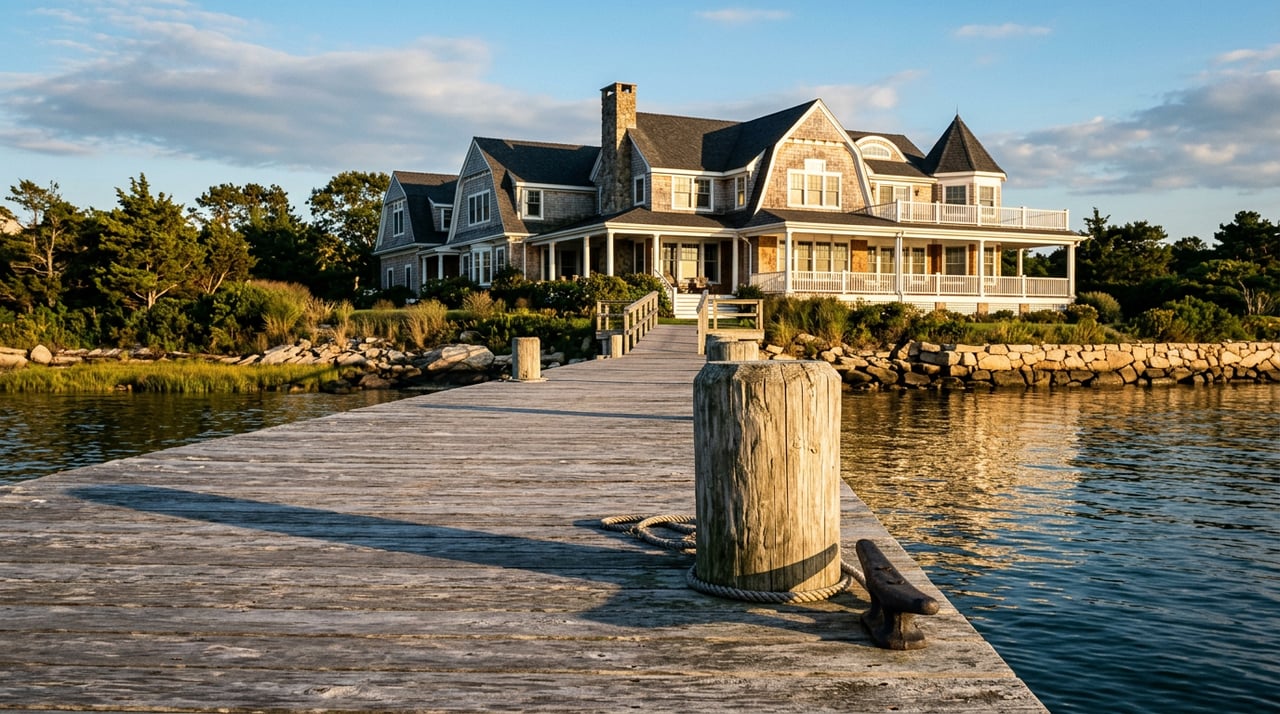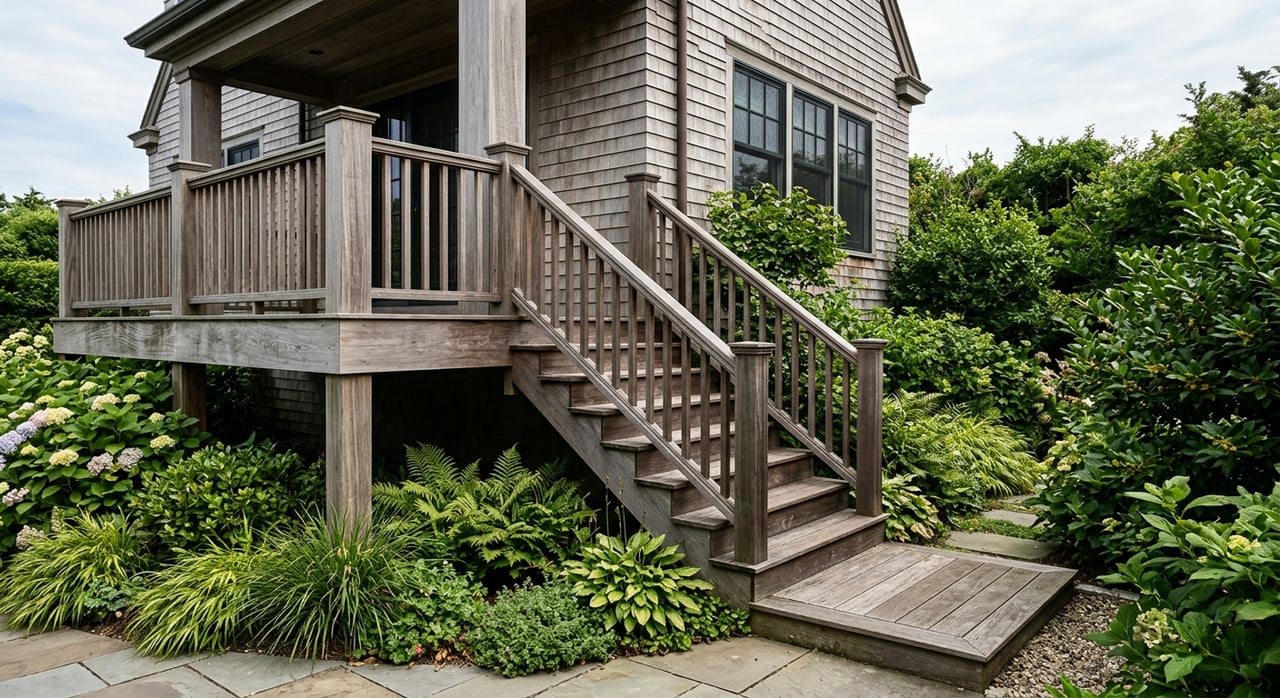
A South Coast waterfront home can be many things at once: a place to gather, a hedge against limited shoreline supply, and a long-term store of value. If you are weighing lifestyle goals against investment discipline, the key is to look beyond the view and study how each town performs over time. This guide will help you think clearly about pricing, rental demand, carrying costs, and risk across the South Coast so you can make a more informed decision. Let’s dive in.
Why the South Coast Requires a Local Lens
The South Coast is not one uniform waterfront market. Massachusetts defines the South Coastal region to include communities such as Acushnet, Dartmouth, Fairhaven, Fall River, Marion, Mattapoisett, New Bedford, and Westport, and each has a different mix of housing stock, waterfront access, and demand drivers.
That matters because a harbor-facing property in New Bedford can behave very differently from a coastal home in Marion or Mattapoisett. If you approach the region as a collection of submarkets rather than a single shoreline, your long-term strategy becomes much sharper.
South Coast Rail also adds an important regional tailwind. Service on the New Bedford and Fall River commuter line began on March 24, 2025, and MassDOT has framed the project as a way to reconnect the region to jobs and economic development.
For long-term owners, improved transit access can expand the buyer and renter pool. It can be especially meaningful in communities with year-round activity, not only seasonal demand.
What Makes Waterfront a Long-Term Asset
A waterfront purchase is rarely just a yield play. On the South Coast, the strongest long-term cases often come from a mix of personal use, limited supply, and the enduring appeal of coastal ownership.
That said, not every waterfront home fits the same investment profile. Some properties may support more consistent rental demand, while others may be better suited as legacy holdings where preservation, enjoyment, and long-range value matter more than annual cash flow.
For many buyers, the most realistic framework is to treat South Coast waterfront real estate as a resilient lifestyle asset. In practice, that means balancing appreciation potential with insurance, taxes, seasonality, and the practical realities of coastal ownership.
South Coast Pricing by Town
Recent market snapshots show a wide spread in home values across the region. That range is one reason local underwriting matters so much.
| Town | Average Home Value | Year-Over-Year Change | Average Asking Rent |
|---|---|---|---|
| New Bedford | $439,767 | 2.7% | $1,700 |
| Fairhaven | $504,389 | 1.7% | $1,875 |
| Dartmouth | $610,699 | 4.7% | $2,331 |
| Westport | $670,780 | 3.8% | $1,950 |
| Mattapoisett | $748,639 | 0.6% | $2,200 |
| Marion | $818,738 | 2.4% | $5,000 |
These figures are directional snapshots rather than a single underwriting model. The home-value data and rental data come from different Zillow datasets, so they are best used to compare broad patterns, not to predict exact returns.
Even with that caution, a few trends stand out. New Bedford, Fairhaven, and Dartmouth show price points and rent levels that can support a more year-round investment conversation, while Mattapoisett and Marion lean more toward preservation, personal use, and legacy ownership.
Which South Coast Markets Fit Which Strategy
New Bedford: More Year-Round Demand
New Bedford stands out as a coastal city with multiple demand engines. Mass.gov describes harbor activity that includes cargo, fish and seafood processing, vessel services, recreational boating, cruise ships, and sightseeing tours.
That broader economic base helps explain why New Bedford can function differently from a purely summer-driven market. For an owner thinking long term, that can support a larger pool of renters and future buyers who want year-round access, working waterfront energy, and commuter rail connectivity.
Fairhaven and Dartmouth: Balanced Coastal Ownership
Fairhaven and Dartmouth often appeal to buyers who want a mix of coastal character and practical usability. Their pricing and rent snapshots suggest a middle ground between pure lifestyle ownership and more income-oriented holding strategies.
Dartmouth also posted the strongest year-over-year home value increase in this dataset at 4.7%. That does not guarantee future appreciation, but it does suggest healthy recent momentum.
Westport: Higher Basis, Tighter Income Profile
Westport occupies a more nuanced position. Home values are higher than Dartmouth or Fairhaven, but the typical asking rent remains comparatively modest.
For you as a buyer, that may mean a tighter income profile if rental performance is central to your plan. Westport may still work well as a long-term coastal hold, but it often calls for conservative cash-flow assumptions.
Mattapoisett and Marion: Legacy and Lifestyle
Mattapoisett and Marion look different again. Higher home values, very limited available rentals, and in Marion’s case a strikingly high asking-rent snapshot suggest markets where scarcity and lifestyle can be more important than scale.
These towns may appeal most to buyers who place a premium on long-term family use, preservation of a special location, and the intangible value of holding a rare coastal asset. If your goal is immediate income efficiency, these markets may require more patience and a different definition of return.
Rental Demand Is Real, But Seasonal
Massachusetts reported $24.2 billion in direct travel spending in 2024 and 52.6 million visitors statewide. In the South of Boston region, 75% of visitors stayed overnight and the average overnight stay was 2.7 nights.
That pattern supports the case for seasonal and short-stay demand, especially near beaches, historic attractions, shopping areas, and museums. At the same time, it does not make the South Coast a hotel-style resort market across the board.
If you are buying with rental income in mind, it is smart to separate year-round rental demand from short-stay demand. A property that performs well in July may still have long off-season gaps unless the town, location, and home type attract a broader user base.
Know the Tax Rules for Short Stays
Massachusetts taxes room rentals and short-term rentals. The state room occupancy excise rate is 5.7%, and local option taxes and fees may also apply to stays of 31 days or less.
The state also reported that statewide short-term rental revenue rose 35% from FY2023 to FY2024. That confirms an active market, but results can vary significantly by town and by property type.
For long-term planning, that means short-term rental income should be modeled carefully. Seasonal strength can be attractive, but taxes, local fees, operating costs, and vacancy patterns can quickly change the net result.
Carrying Costs Can Shape Your Return
Many waterfront buyers focus first on purchase price, but carrying costs often have a greater effect on long-term performance. Property taxes, flood insurance, and maintenance can create meaningful differences between towns that appear similar at first glance.
Official local data helps illustrate the point. Dartmouth’s FY23 assessing review showed an average single-family tax bill of $4,609 on an average value of $524,914, while Fairhaven’s FY2026 annual report showed an average single-family tax bill of $4,233 on an average value of $454,252.
Because Massachusetts property taxes are based on assessed full and fair cash value, your annual cost structure may differ substantially from one community to the next. A home with a lower purchase price is not always the less expensive asset to carry over time.
Flood Risk Deserves Careful Underwriting
On the South Coast, flood exposure is not a side issue. Mass.gov notes that standard homeowners insurance does not cover flood damage, and lenders usually require flood insurance if there is a mortgage.
The state also points buyers to FEMA’s Flood Map Service Center as the official place to review flood maps by address. That step can help you understand whether a property sits in a higher-risk flood zone before you finalize your assumptions.
Massachusetts further notes that V zones are coastal areas subject to the highest wave energy. It also says that adding freeboard can improve resilience and may reduce flood insurance costs.
For you, the practical takeaway is simple: two homes with similar views and prices can have very different long-term risk profiles. Elevation, flood-zone status, building configuration, and resilience features can materially change ownership costs.
Climate Resilience Is Part of Value
Long-range coastal risk in Massachusetts is well documented. The state projects sea-level rise of 0.6 to 1.1 feet by 2030 and 2.3 to 4.2 feet by 2070, relative to 2000 levels.
State guidance also highlights shoreline erosion, tidal flooding, salt-water intrusion, and displacement risk. For waterfront buyers, those are not abstract planning concepts. They are part of how future owners, insurers, and lenders may evaluate a property.
That does not mean waterfront ownership is a poor long-term choice. It means the strongest acquisitions are often the ones that pair exceptional setting with thoughtful resilience, realistic holding costs, and a longer ownership horizon.
Waterfront Rules Can Affect Future Plans
Not every prime waterfront parcel is equally flexible. In the New Bedford-Fairhaven Designated Port Area, state waterfront rules and Chapter 91 licensing place special emphasis on water-dependent use and public waterfront interests.
For an owner or investor, this can affect how easily a property may be improved, repositioned, rented, or resold. A compelling location may still be a strong asset, but the path from purchase to future use can be more complex.
That is one reason experienced local guidance matters in this segment. The best waterfront opportunity is not always the one with the most obvious frontage. It is often the one where value, constraints, and long-term fit are properly understood from the start.
A Practical Framework for Buyers
If you are considering a South Coast waterfront home as a long-term investment, it helps to frame the decision around a few core questions:
- Do you want current income, personal use, or a blend of both?
- Is the town supported by year-round demand, seasonal demand, or both?
- How do taxes, insurance, and maintenance affect your true carrying cost?
- What does the flood map and resilience profile suggest about future risk?
- Are there waterfront regulations that could affect improvements or use?
- Would you still value the property if cash yield is lower than expected?
For many buyers, the answer is not to chase maximum yield. It is to acquire the right coastal asset in the right setting, with clear eyes about holding costs and a disciplined long-term view.
The Bottom Line on South Coast Waterfront Investments
South Coast waterfront homes can make sound long-term investments, but they are not interchangeable assets. New Bedford appears better positioned for year-round rental or mixed demand, while Mattapoisett and Marion often fit a dual-purpose or legacy model where lifestyle value is central.
Across the region, the most successful purchases tend to come from careful underwriting rather than broad assumptions about waterfront appreciation. If you buy with a full understanding of demand, carrying costs, flood exposure, and regulatory context, you put yourself in a much stronger position to protect both lifestyle and value.
If you are considering a South Coast waterfront purchase or preparing to position a coastal property for sale, Robert Kinlin offers discreet, high-touch guidance grounded in local market knowledge and long experience with distinctive waterfront homes.
FAQs
What makes South Coast waterfront homes different from one town to another?
- South Coast waterfront markets vary widely by pricing, rental demand, year-round activity, carrying costs, and waterfront regulations, so each town should be evaluated as its own submarket.
Are South Coast waterfront homes good long-term investments for income?
- Some can support income better than others, but many South Coast waterfront homes are best understood as long-term lifestyle assets where appreciation, personal use, and scarcity may matter more than immediate cash flow.
Which South Coast towns look stronger for year-round rental demand?
- Based on the research report, New Bedford appears best positioned for year-round rental or mixed demand, with Fairhaven and Dartmouth also offering more balanced year-round potential than the more legacy-oriented coastal towns.
How important is flood insurance for South Coast waterfront property?
- Flood insurance is a major underwriting factor because standard homeowners insurance does not cover flood damage, and lenders usually require flood insurance when there is a mortgage.
Do short-term rental taxes apply to South Coast vacation homes?
- Yes, Massachusetts applies a 5.7% room occupancy excise to stays of 31 days or less, and local option taxes and fees may also apply depending on the municipality.
What should buyers review before purchasing a New Bedford or Fairhaven waterfront property?
- Buyers should review flood-zone status, carrying costs, and any applicable waterfront rules, especially in areas affected by the New Bedford-Fairhaven Designated Port Area and Chapter 91 licensing requirements.